Account Login
Don't have an account? Create One
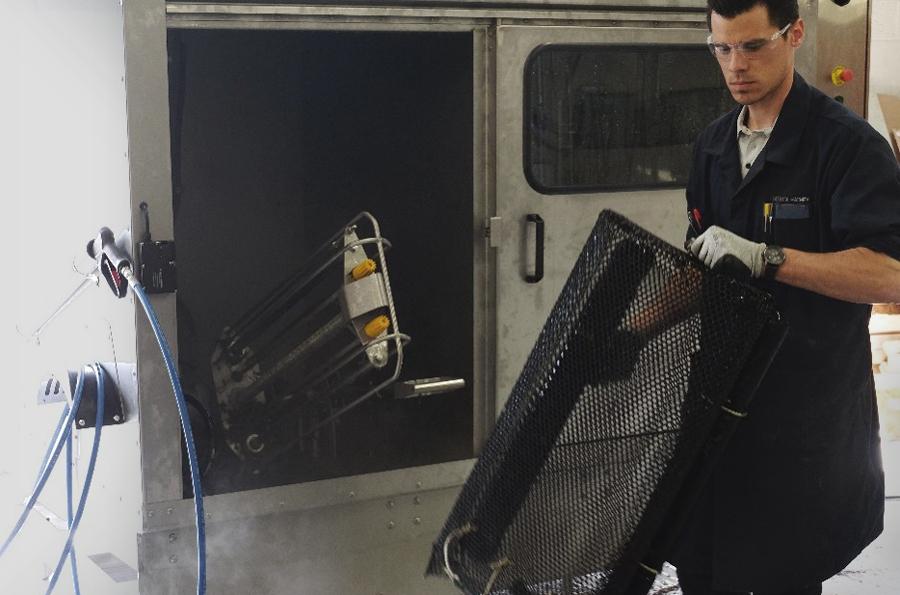
For many small and medium-sized enterprises, innovation is not a question of ambition, but of reality.
Leaders know they must improve productivity, diversify markets, meet stricter standards, or modernize operations. Yet between day-to-day pressures, workforce challenges, and tight margins, investing in research and development often feels expensive, complex, and risky.
In today’s economy, innovation is no longer optional. It has become a growth lever, a competitiveness tool, and often a condition for survival.
Across Atlantic Canada, applied research centres are helping SMEs turn innovation into something practical, affordable, and results-driven.
At INNOV, applied research is delivered through a set of integrated services in bioprocesses, advanced fabrication and materials, agriculture, environment and Market development, that support SMEs at every stage of innovation from problem identification to market readiness.
Together, these services ensure that innovation is accessible, contextualized, and results-driven, offering SMEs solutions aligned with their operational realities.
One of the most common misconceptions about innovation is cost. Many business leaders assume research projects require major upfront investment, long timelines, and uncertain returns.
In reality, most applied research projects carried out with SMEs benefit from substantial external funding. In many cases, 50 to 80 percent of project costs are covered by public grants programs, depending on scope and eligibility.
Applied research centres go beyond technical work. They help businesses identify relevant funding programs, access specialized expertise and equipment, structure projects, and prepare grant applications. For SMEs, this means reduced financial risk, predictable costs, and faster decision-making.
Applied research centres are defined as much by their people as by their infrastructure. Teams are made up of engineers, technologists, scientists, and project managers, but above all, they are problem-solvers.
Success is measured by outcomes, not publications: a product improved, a process optimized, a production bottleneck removed, a company better positioned to compete, troubleshooting.
For many SMEs, a first applied research project is a turning point. It demystifies innovation and shows that research can be practical, accessible, and aligned with real business priorities. It also builds long-term relationships focused on continuous improvement rather than one-off projects.
Innovation does not always mean disruptive technology. More often, it means solving operational challenges that directly affect productivity, quality, costs, and working conditions. In NS, last year, INNOV helped 10 microbreweries in a quality control diagnostic and training.
Within INNOV’s Advanced Materials and Manufacturing expertise, applied research projects are driven by real production constraints and validated in industrial conditions.
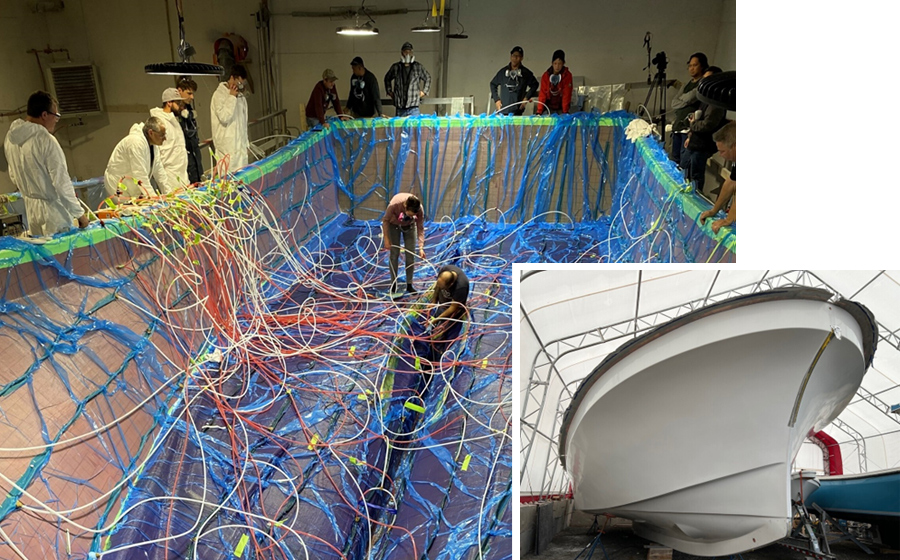
In the marine sector, DJ Marine partnered with INNOV’s advanced materials team to optimize composite manufacturing processes for large boat structures. Applied research specialists supported the company through diagnostics, process recommendations, and on-site technical support in vacuum infusion and composite best practices. During the project, the team contributed to the design and manufacturing of what was, at the time, the largest boat hull produced using vacuum infusion technology. This collaboration helped reduce trial-and-error, avoid costly mistakes, and accelerate problem-solving, while keeping DJ Marine’s direct investment limited.
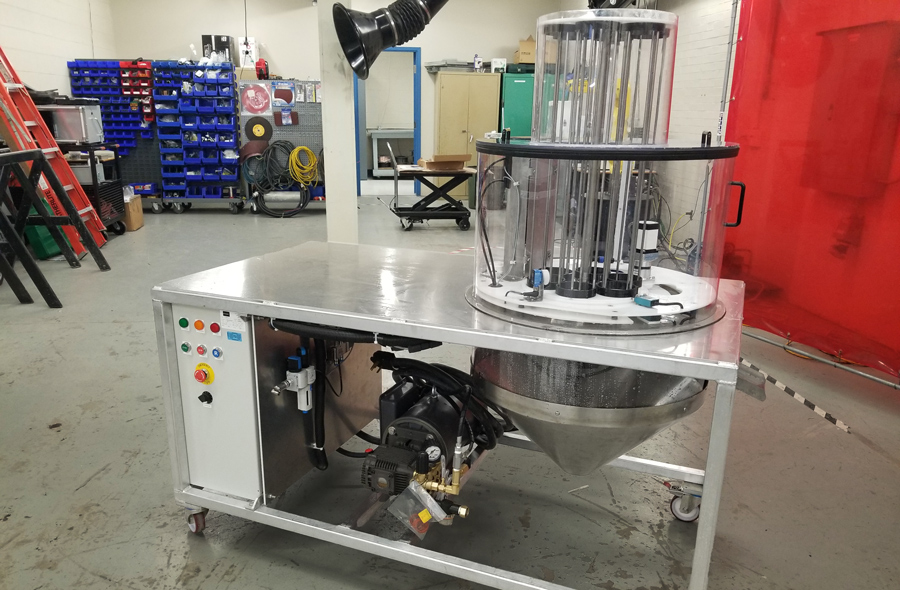
In shellfish aquaculture, Maritime Oysters NB and Pêcheries Thibodeau et Fils worked with INNOV to design and prototype automated washing systems for oyster bags, improving efficiency, working conditions, and processing capacity while reducing manual labour.
Across these projects, applied research starts with a clearly defined operational problem and delivers a tested, practical solution that companies can implement with confidence.
The link between innovation and performance is well established. Innovative companies are more productive, more resilient, and better positioned to export.
According to data from the Quebec Innovation Council, companies that innovate export 3.8 times more than those that do not. By improving processes, developing new products, and meeting international standards, SMEs strengthen their ability to access new markets.
Whether the goal is growth, export readiness, or sustainability, applied research acts as a catalyst.
Comment policy
Comments are moderated to ensure thoughtful and respectful conversations. First and last names will appear with each submission; anonymous comments and pseudonyms will not be permitted.
By submitting a comment, you accept that Atlantic Business Magazine has the right to reproduce and publish that comment in whole or in part, in any manner it chooses. Publication of a comment does not constitute endorsement of that comment. We reserve the right to close comments at any time.
Cancel