Account Login
Don't have an account? Create One
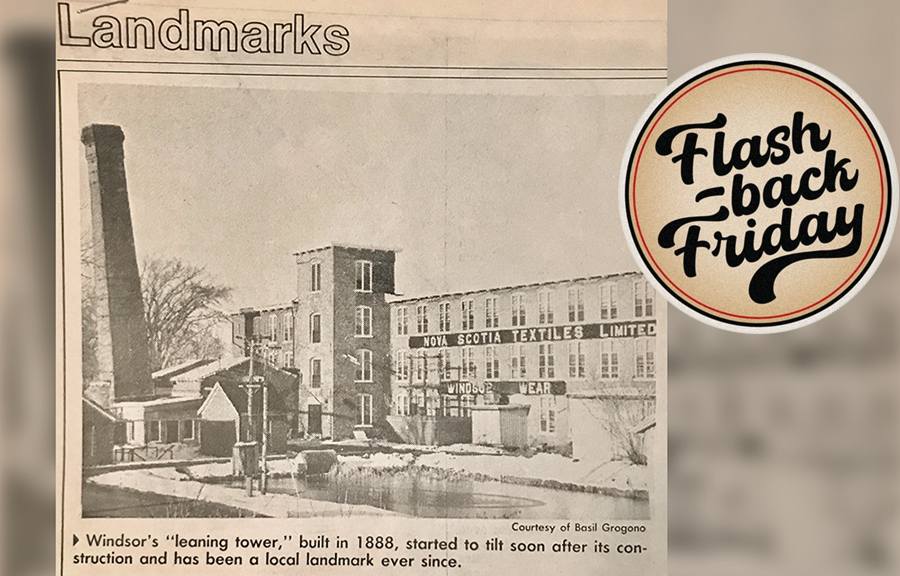
A long-gone business tied to an even longer history, Nova Scotia Textiles operated from a building that dates back over 140 years. Originally built as a cotton mill, it later became home to Nova Scotia Textiles, which closed at the beginning of the 21st century. While the building has remained vacant for decades, it appears that new life may be brought to its foundation.
It started when a group of well-known local businessmen formed Windsor Cotton Mill in Windsor, Nova Scotia, in 1881. After acquiring three large plots of land, construction of the plant began and was concluded in 1884. As its name suggests, the mill was used to make cotton sheeting and other cotton products.
Around the same time, Nova Scotia Textiles was formed in Pictou County, N.S. in 1881. Originally called Eureka Woollen Mills after its hometown, this company specialised in producing knitted underwear and was soon renamed Nova Scotia Underwear Company.
Windsor Cotton Mill operated for just over 15 years before selling its plant to Dominion Cotton in 1900. For about a decade, Dominion Cotton continued to make cotton products at the location before being consolidated into Dominion Textile Company, which ceased production in Nova Scotia in 1910.
After sitting vacant for five years, the Town of Windsor saw an opportunity to change that when Nova Scotia Underwear Company’s plant burned down in 1915. The town council lobbied to have the business move its operations to Windsor, and its efforts paid off. The following year, the underwear company began production in the former Windsor Cotton Mill plant.
In 1922, Nova Scotia Underwear Company officially became Nova Scotia Textiles and, over time, developed a diversified product line. From its original focus of wintertime underwear for men, Nova Scotia Textiles began producing t-shirts, sweatpants, sweaters, other casual clothing and later expanded into flame-resistant workwear. In the ‘30s, the company established its own brands, including Windsor Wear and Gym-Plus. It also began producing private label products for brands like Eaton’s and, in 1978, Roots Canada. Throughout decades of growth, the company steadily expanded in size and became a major employer in the area, with over 200 people at its peak production.
Eventually, Nova Scotia Textiles was hit with a few unforeseen changes that jeopardised its future. Roots moved production outside of Nova Scotia, and the war in Iraq resulted in supply chain issues for its flame-resistant products. In 2005, the company ceased production and sold its product line to another long-time clothing producer in the province, Stanfield’s. The acquisition allowed Standfield’s to expand into industrial clothing and use Nova Scotia Textile’s equipment and processes to improve its own fleece production.

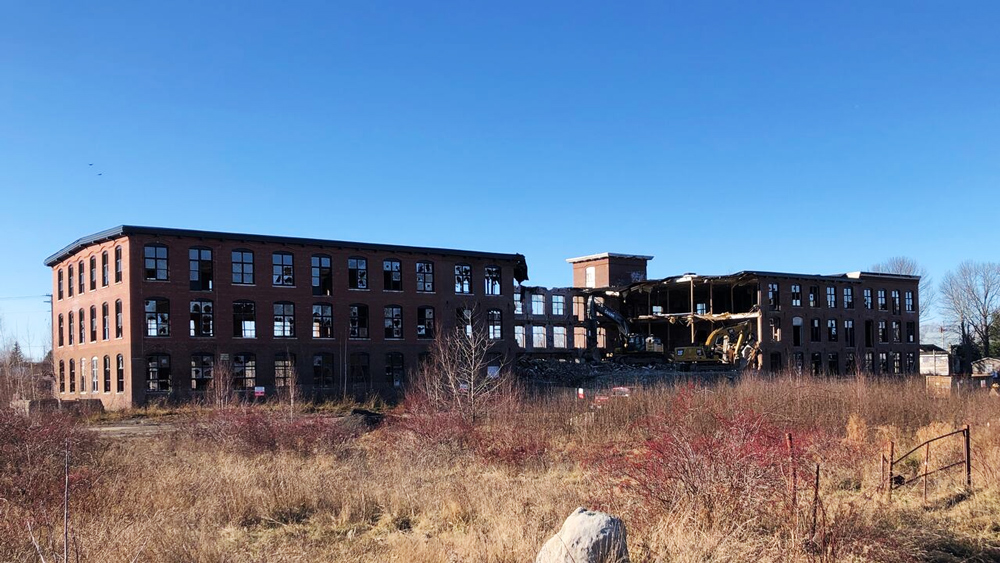
Since 2005, the Nova Scotia Textile plant changed hands a few times. In 2006, the building was acquired by Mill Island Limited, but its plans to redevelop the property into condos and retail space fell through. According to the most recent update available, the building was acquired by United Gulf Developments, which began demolition in 2021 for its redevelopment plan for the building. The company was unavailable to provide an update.
More Flashback Fridays:
Comment policy
Comments are moderated to ensure thoughtful and respectful conversations. First and last names will appear with each submission; anonymous comments and pseudonyms will not be permitted.
By submitting a comment, you accept that Atlantic Business Magazine has the right to reproduce and publish that comment in whole or in part, in any manner it chooses. Publication of a comment does not constitute endorsement of that comment. We reserve the right to close comments at any time.
Cancel