Account Login
Don't have an account? Create One
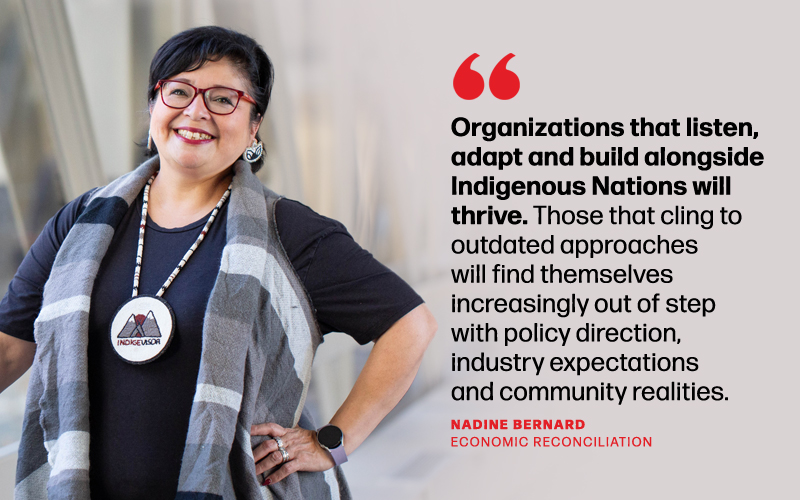
In my last column, I broke down the growing list of Indigenous inclusion frameworks—RAPs, IPPs, and IBPs—that are reshaping how companies approach reconciliation, procurement and partnership. Many readers reached out afterward with a similar question: What comes next?
The thing is, while these frameworks are important, they are only entry points. The real work—the work that defines whether these commitments translate into meaningful change—happens after the acronym.
RAPs, IPPs and IBPs were never meant to be check-the-box documents. They are tools designed to shift organizations from intention to action. But increasingly, Indigenous Nations and communities are looking for something deeper than a plan—they are looking for alignment, consistency and accountability.
Today’s Indigenous partners are sophisticated. Many Nations have established:
Continue reading this story: click below to login/subscribe
Login or SubscribeComment policy
Comments are moderated to ensure thoughtful and respectful conversations. First and last names will appear with each submission; anonymous comments and pseudonyms will not be permitted.
By submitting a comment, you accept that Atlantic Business Magazine has the right to reproduce and publish that comment in whole or in part, in any manner it chooses. Publication of a comment does not constitute endorsement of that comment. We reserve the right to close comments at any time.
Cancel