Account Login
Don't have an account? Create One
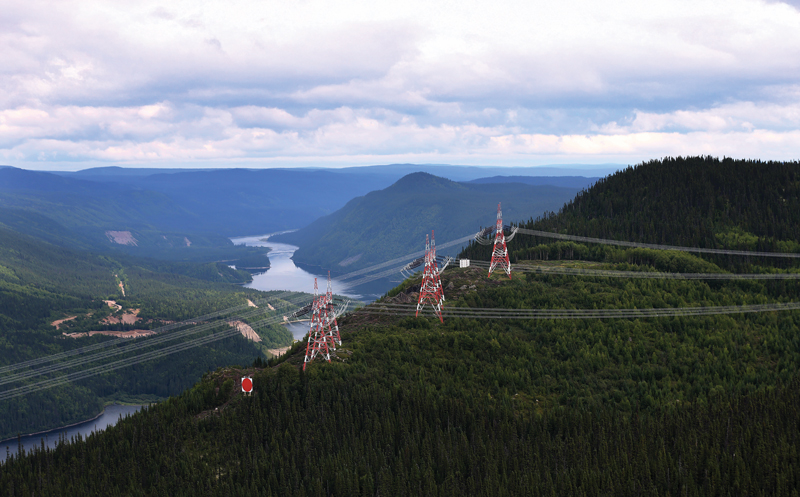
Between provincial elections and public reviews, the only certainty for Churchill River development is more uncertainty. What, when and how are questions that don’t look to be answered any time soon.
As this is written, no one can say with any certainty what further hydroelectric development will happen on the Churchill River in Labrador, or when. That’s not a comment for or against any specific proposals, including those described in the Memorandum of Understanding (MOU) between the provinces of Quebec, Newfoundland and Labrador and their Crown utilities.
Announced with great fanfare, the MOU was revealed to the public at The Rooms museum and provincial archives in St. John’s, N.L. on Dec. 12, 2024. Media and business leaders gathered for the self-described historic moment as government officials and representatives of the Crown utilities spoke about their hope for a trio of proposed power projects. They were supposed to add 3,900 MW of new generation capacity on the Churchill River, along with new terms for the existing Churchill Falls power sales contract between the utilities’ jointly owned Churchill Falls (Labrador) Corporation (a.k.a. CFLCo) and Hydro-Québec. The new generation plan includes upgrades for 550 MW more production capacity at the existing power plant at Churchill Falls, construction of a 1,100 MW facility nearby and another new plant downriver at the location known as Gull Island, offering 2,250 MW more power. The deal, it was claimed, would bring Newfoundland and Labrador’s provincial treasury a jaw-dropping $225 billion in revenue over the life of suggested power purchase agree-ments. And, of course, desperately needed power for the North American grid.
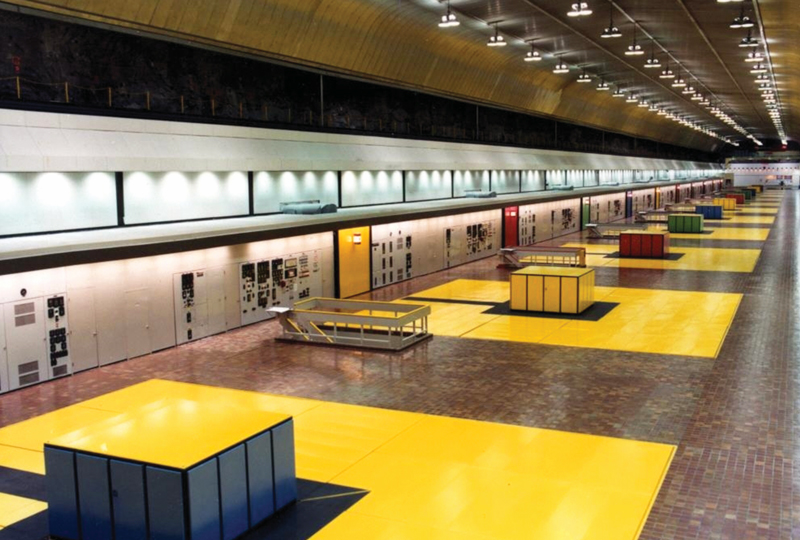
There was little criticism on day one. However, questions were soon being raised by private citizens and Opposition Progressive Conservatives around details like the public revenue estimate, power pricing and availability. Newfoundland and Labrador Hydro did its best to address questions through a substantive public relations effort. Still, criticisms arose and persisted, with many people saying the MOU was ultimately too confusing for them. That was even after a debate held in Newfoundland and Labrador’s House of Assembly in January of last year. There, the 14 Progressive Conservative members ultimately walked out before a vote on a resolution calling for the House to support further negotiations. The motion still passed to continue with talks.
Continue reading this story: click below to login/subscribe
Login or SubscribeComment policy
Comments are moderated to ensure thoughtful and respectful conversations. First and last names will appear with each submission; anonymous comments and pseudonyms will not be permitted.
By submitting a comment, you accept that Atlantic Business Magazine has the right to reproduce and publish that comment in whole or in part, in any manner it chooses. Publication of a comment does not constitute endorsement of that comment. We reserve the right to close comments at any time.

Cancel