Account Login
Don't have an account? Create One
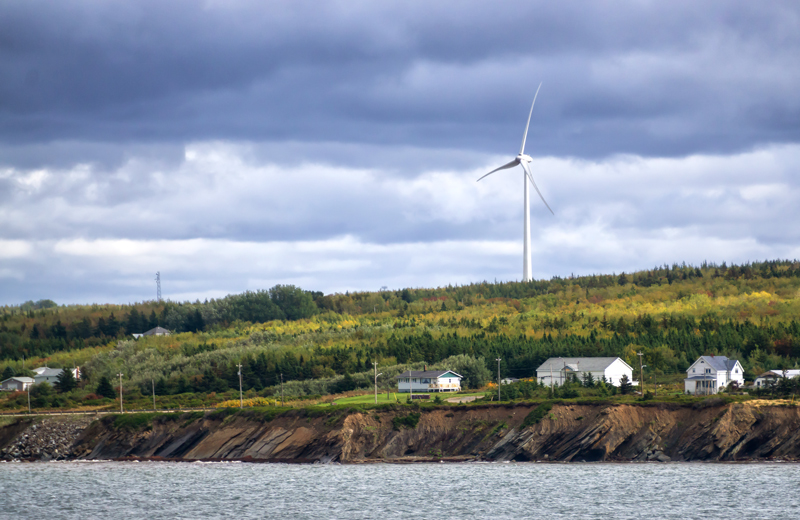
Atlantic Canada doesn’t have to choose between protecting its environment and growing its economy. According to New Brunswick-based environmentalist Ashley Anthony, the region can do both by restoring ecosystems, making essential services more affordable, and pushing existing industries to cut emissions, all while creating jobs across the region.
Anthony, who has spent the past few years working in three different roles at Climate Reality Canada and has a Masters degree in Environmental Education from Royal Roads University, has been passionate about environmentalism for most of her life. She decided to pursue it as a full-time career during the pandemic, when businesses, including heavy emitters, began evaluating their footprint and looking to strategically shift their operations. Her message isn’t that Atlantic Canada should abandon its existing resource economy, but that the region needs to build on it responsibly.
Based on Anthony’s research, the following five sectors represent the best options for building a more equitable, environmentally focused region. Note: green businesses are not necessarily those promoting an environmental agenda; they can also be industries making a genuine effort to tackle climate change through more sustainable practices.
Anthony suggests that renewable energy resources, including onshore and offshore wind, could help lower home heating costs for families and businesses while creating skilled jobs. Atlantic Canada already has strong wind resources, deepwater ports and proximity to European and U.S markets. Projects should prioritize community and Indigenous ownership rather than simply exporting electricity or hydrogen while Atlantic Canadians continue to face high energy costs.

These industries are already well established in Atlantic Canada. Going forward, says Anthony, they should prioritize environmentally friendly practices such as lower-emission production and sustainable aquaculture. Implemented properly, these industries could improve food security, reduce dependence on imported food, and support small farms, fishers, Indigenous food systems, and rural communities.
Circular manufacturing is not yet well established in Atlantic Canada. Unlike traditional production, circular manufacturing replaces the standard “take, make, dispose” approach with a closed loop cycle which reduces waste and reliance on new resources. Atlantic Canada businesses can turn regional materials into durable products, such as compost and low-carbon building components. Investment here, says Anthony, could create manufacturing jobs without relying on new extraction, while also reducing landfill use and the environmental impact of imported materials.

As climate change drives more extreme weather events, Anthony predicts restoration work should become a major employment sector. Beyond protecting communities from environmental damage, this industry, if implemented effectively, could create meaningful paid jobs and reduce long-term public costs by preventing future climate damage.
This may not sound like a conventional green industry, but Anthony says people can’t participate equally in a green economy without affordable housing, transportation and similar supports.
Public health and community services could include home energy and health programs for seniors, climate-resilient affordable housing, and rural transit, among other initiatives. Jobs in these fields could be distributed throughout Atlantic Canada.
For Atlantic Canada’s green economy to succeed, Anthony believes the strongest strategy is to connect these sectors rather than develop them separately. For example, renewable energy could power food processing plants, circular manufacturing could supply materials for affordable housing, and restoration projects could protect both communities and fisheries.
According to Anthony, Atlantic Canada already has strengths in the renewable energy, but the central challenge is ensuring that growth also delivers local ownership, ecological repair, and broad public benefit. But new environmental protections, she stresses, don’t preclude generating revenue.
Similar articles:
Comment policy
Comments are moderated to ensure thoughtful and respectful conversations. First and last names will appear with each submission; anonymous comments and pseudonyms will not be permitted.
By submitting a comment, you accept that Atlantic Business Magazine has the right to reproduce and publish that comment in whole or in part, in any manner it chooses. Publication of a comment does not constitute endorsement of that comment. We reserve the right to close comments at any time.
Cancel