Account Login
Don't have an account? Create One
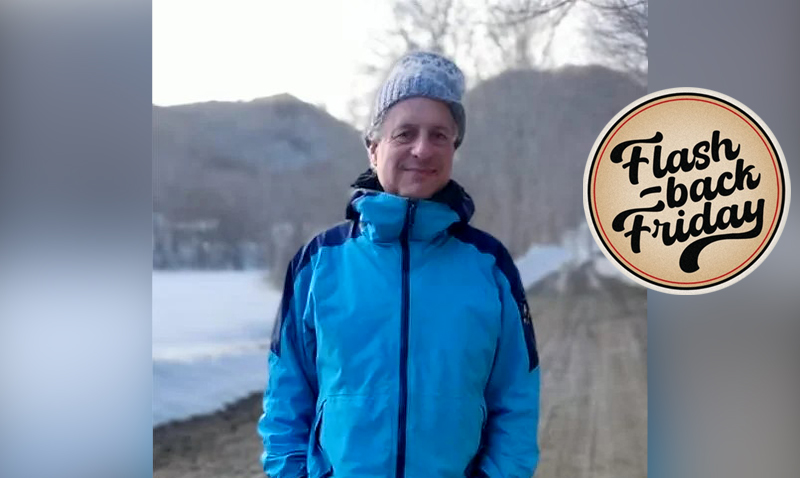
From film production to renewable energy to maple syrup, Black River Group has grown a diverse range of business interests during more than 40 years in operation. Founded on a passion for social justice and the environment, the organisation has developed multiple independent revenue streams and worldwide fandom for its sweetest product.
It all started with Neal Livingston in the Mabou and Inverness areas of Cape Breton Island, Nova Scotia. After graduating with a fine arts degree in filmmaking, he began making documentaries showcasing his conviction for social and environmental justice throughout the ‘70s. This eventually led to the establishment of Black River Hydro Limited in 1984. Livingston oversaw the construction of a 220-kilowatt hydroelectric plant in the area and negotiated a long-term contract with Nova Scotia Power to sell electricity.
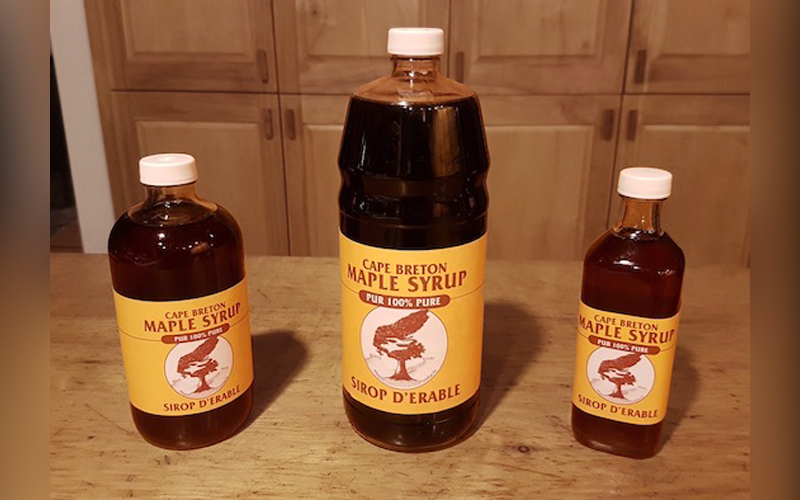
That same year, Livingston also created Black River Maple Products. After buying a piece of property in Cape Breton, he saw an opportunity to develop a maple syrup farm to utilise the land. For over 40 years, the 3,600-tap, commercial-sized farm has produced its own brand of pure Cape Breton Maple Syrup that’s sold in major grocery stores and gift shops on the island and a handful of stores in Halifax. Livingston says the soil quality of his land and boiling the product with wood in its final stages gives his syrup a unique flavour, which now has fans across the world.
Over time, Livingston continued to produce, write and direct a variety of documentary films. Many of his films are political in nature, showcasing his stance on environmental and social issues. For example, one of his earlier productions, Budworks, focused on the effects of many provinces spraying chemical insecticides across their land. Another of his films documents his journey to develop a hydroelectric plant. While Livingston had been producing film since 1968, he officially established Black River Productions in 1987.
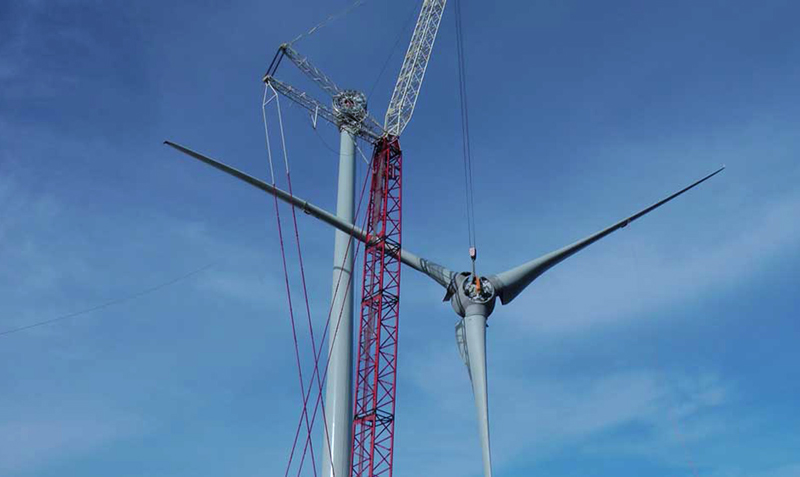
Livingston continued operating his hydroelectric plant and believes it’s one of the only remaining small companies in the country that sells power to a utility. In 2003, he began investing in wind energy production, which became another branch of his business, Black River Wind. In collaboration with some partners, Livingston worked to install three wind turbines in the province that produce a combined 5,600 kW of energy and began operating in 2013.
Most recently, he expanded into table making. Within the past four years, Livingston launched this branch of Black River Group, Forest Table, where he sustainably sources hardwood from his own forest to build different editions of uniquely designed, handcrafted tables.
Now operating a range of businesses that support his passion for the environment and social justice, Livingston shares some advice for success: “Follow your interests. Don’t just think about making money. If you’re going to be involved in something for a long time, you need to be interested in it to be happy.”
More Flashback Fridays:
Comment policy
Comments are moderated to ensure thoughtful and respectful conversations. First and last names will appear with each submission; anonymous comments and pseudonyms will not be permitted.
By submitting a comment, you accept that Atlantic Business Magazine has the right to reproduce and publish that comment in whole or in part, in any manner it chooses. Publication of a comment does not constitute endorsement of that comment. We reserve the right to close comments at any time.
Cancel